Six companies. Three of them from day one.
Lending, payments, care, commerce. The founding roles set the architecture; the rest shipped features people depend on.
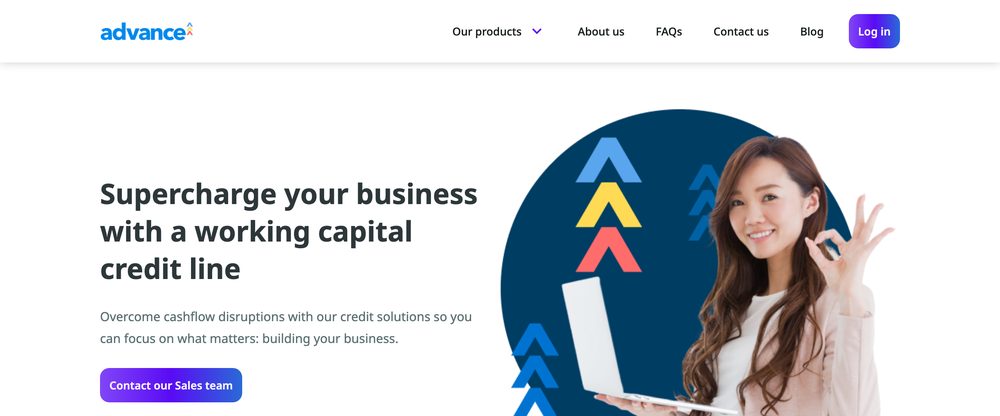
A business lending and payroll-advance platform for Philippine SMEs. Set the architecture from day one, then led the move from monolith to microservices as it scaled.
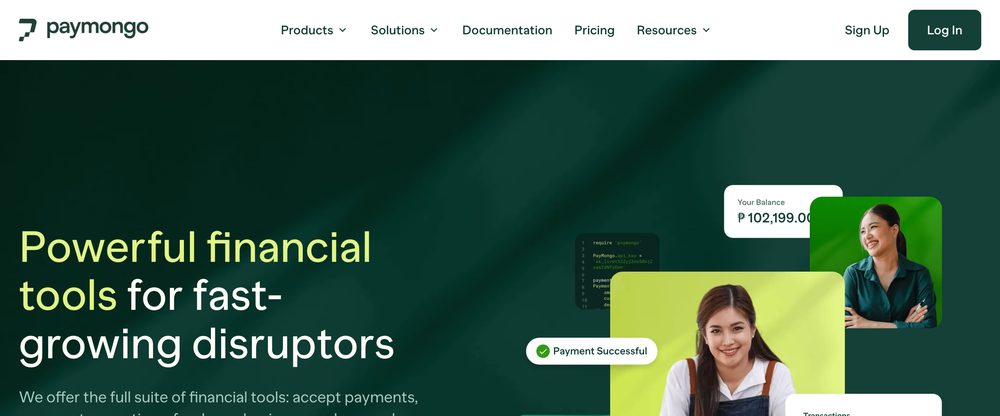
QR PH integration, bringing cashless payments to thousands of merchants across the Philippines.
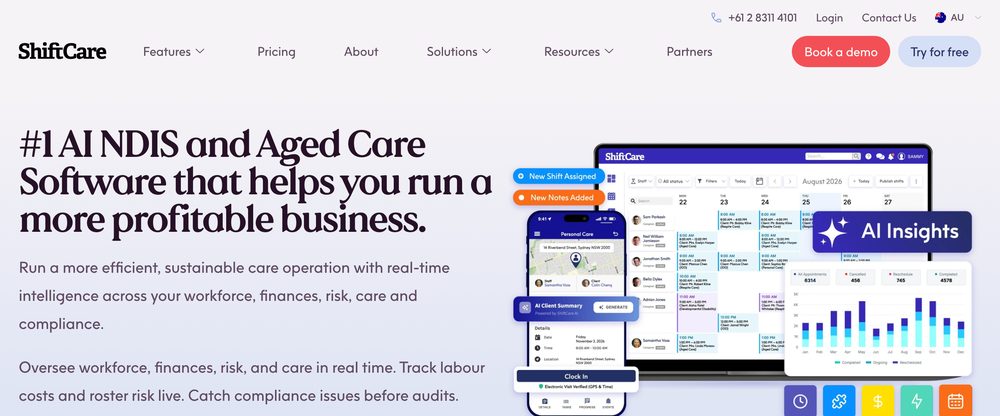
Care coordination software for home care and NDIS agencies. Shipping scheduling and mobile features, plus serverless microservices and the mobile app.

E-commerce platform for baby and parenting essentials. Led backend infrastructure and re-architected the database for scale, reliability, and security.
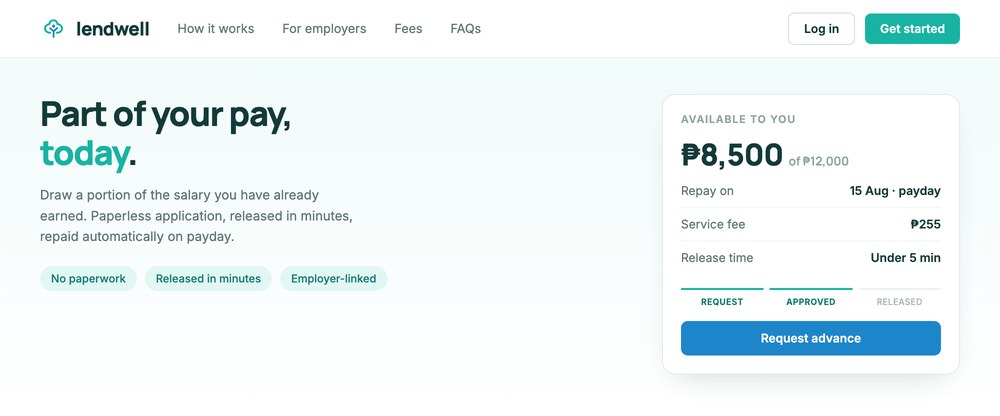
A salary-advance platform — employees draw part of the pay they have already earned, released in minutes and repaid on payday. MVP built from nothing, architecture set directly with the CEO.
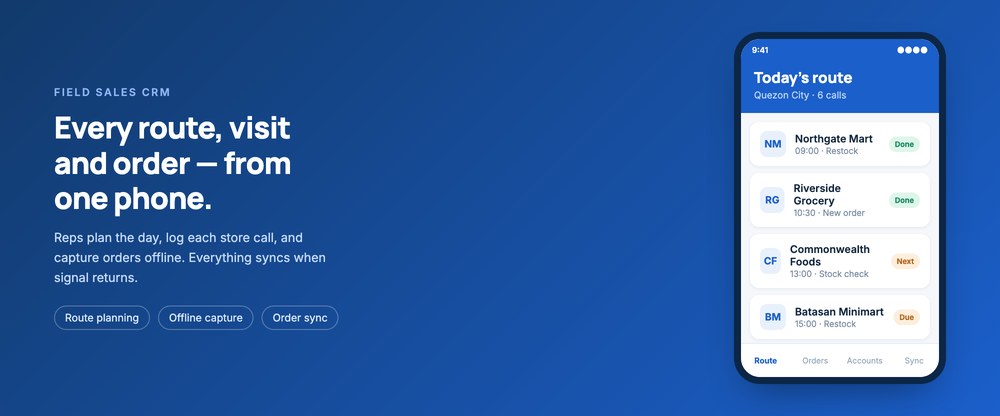
A CRM for the field sales team — iOS app and backend, built from nothing.
Led a team automating service fulfillment across mobile and web for an enterprise telco client, then took on Head of Data for the web capability team.
A CMS and web app for a national movie ticketing platform, plus a citywide parking app in an earlier stint.

Supported and deployed a bank's Internet Banking System, leading code and implementation reviews.
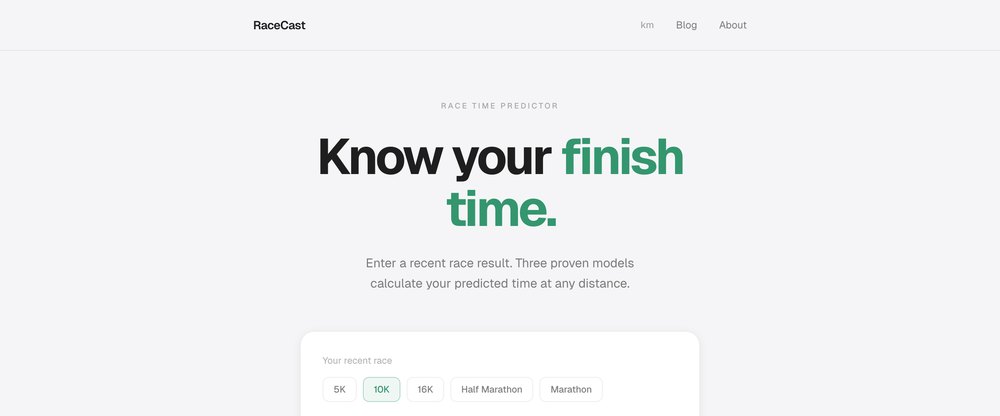
Predicts your race finish time from a recent result — 5K to marathon, no sign-up.
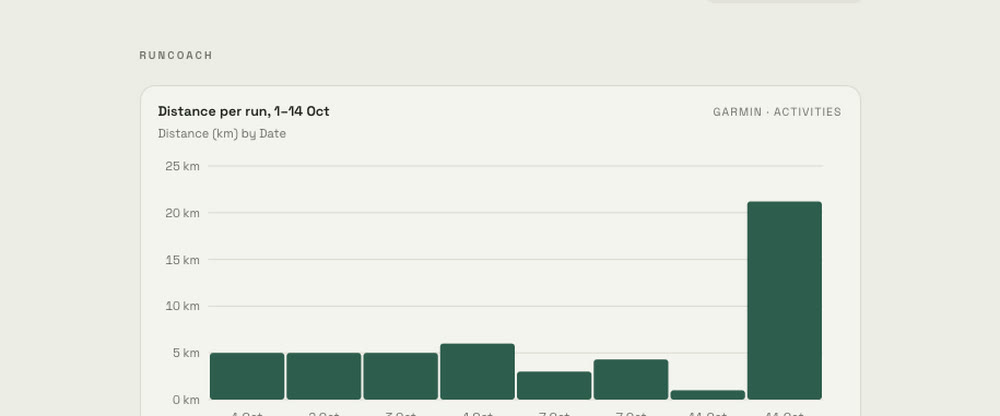
Ask your Garmin anything. A chat over your own runs, sleep, HRV and training load via MCP — grounded answers, one chart as the proof, no dashboards. Running against my real account; free hosting is next.
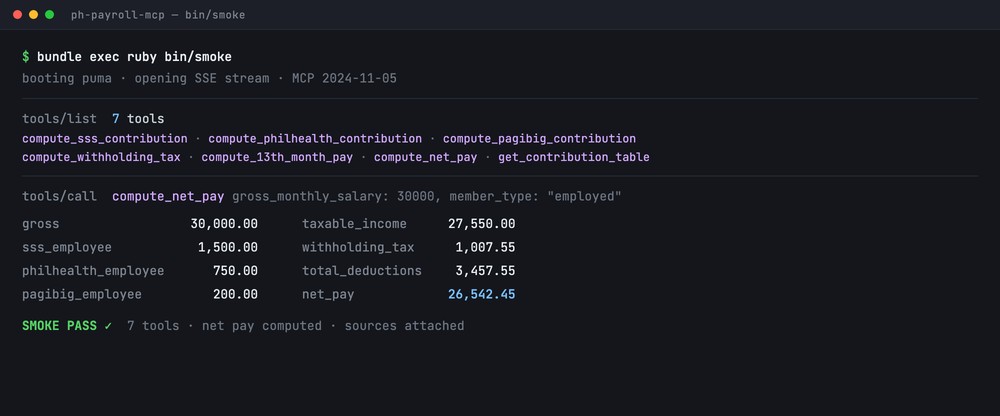
An MCP server that gives any MCP client accurate Philippine statutory payroll math — SSS, PhilHealth, Pag-IBIG and BIR withholding — computed from versioned tables instead of guessed from training data.